Tell me about the venue.
A few lines on where the bar is and what's going on with the numbers is enough to start.
Every engagement starts the same way: a profitability health check, then setup in Deluge. Everything else builds from it.
Menu and inventory costing done properly: every product, prep, batch and cocktail costed ex-tax and per serve — including layered preps, complex batches and cocktails that pour from other batches. It lives in Deluge, not a spreadsheet, so a supplier price change moves every cost that depends on it.
Any bar that prices from memory, or from a spreadsheet nobody trusts.
Read: How do you cost a cocktail properly?The profitability and optimisation review every engagement starts with. A few days on your numbers and in your bar, looking at the things that quietly cost money: costing and pricing, the sales mix, stock control, pars and ordering, waste, the prep programme and the flow of service. It ends in written findings and an agreed action list — the record your team then reads in Deluge, beside the targets we set together.
Any operator engaging Deluge International — and the ones who suspect the leak but can’t see it in the numbers.
Read: Stocktake variance under 2% — what it actually takesA list designed for your room and your team, costed to a target GP before the first drink is poured. Technical where it earns its place: clarifications and washes, cordials, oleos and infusions built as layered preps, carbonation, kegged, bottled and freezer serves — each costed with its yield loss, and each with the batching to survive a Saturday. Specs, preps and batching are built in, not added later.
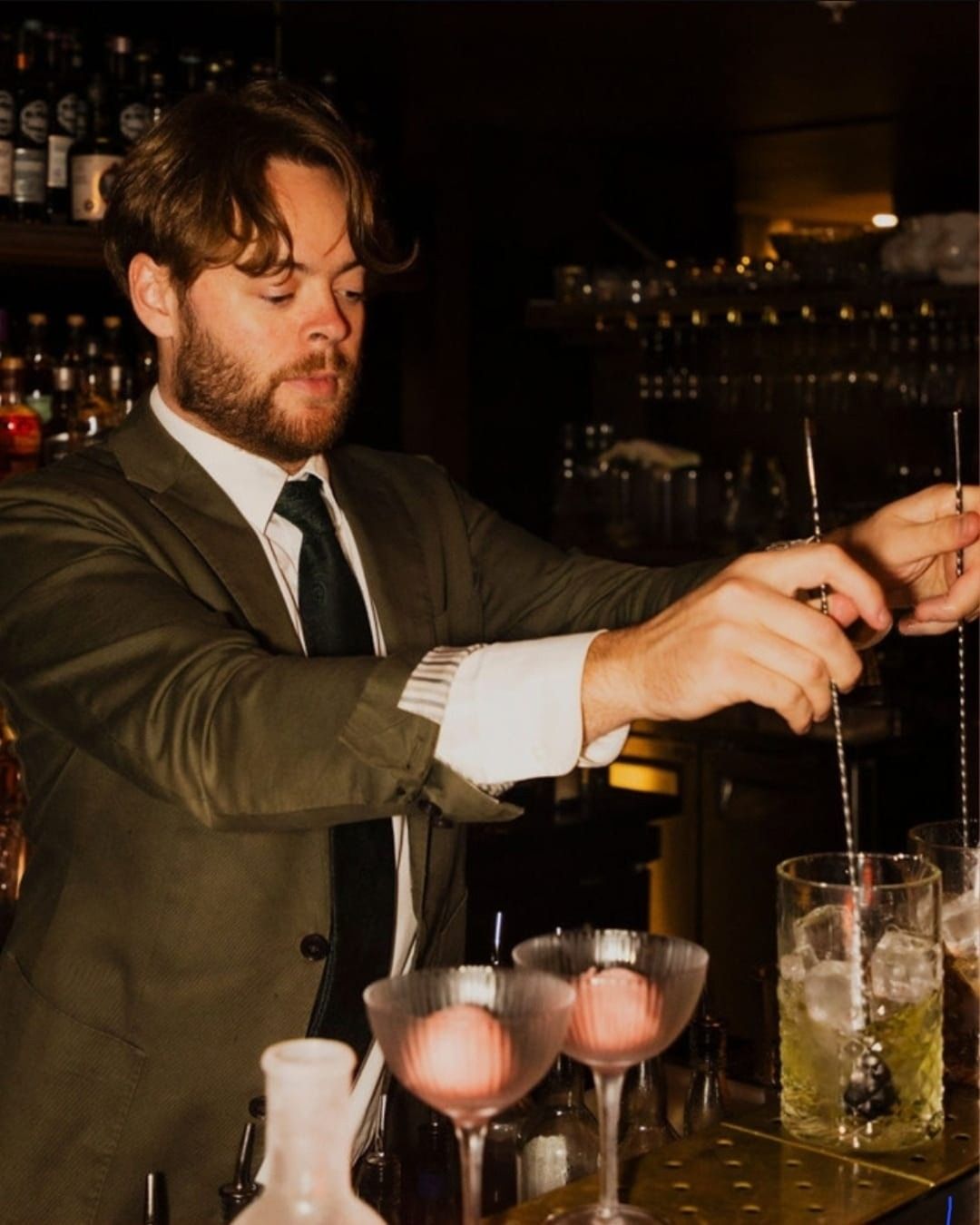
New openings, relaunches and seasonal changes — and hotel bars that want a signature list without a signature prep burden.
Read: Batching cocktails for service and eventsSpec certification, product knowledge and service standards — tested with quizzes Deluge generates from your own published list — spec build, blind build, product knowledge, price check — so the team learns your bar, not a textbook.
Any venue onboarding staff or tightening consistency.
Read: Why bar documents go stale — and how to stop itMost venues run purchasing and the POS as two systems that never agree, and a hotel runs them across several outlets. I close the gap with Deluge rather than an integration: supplier price lists and till reports come in as spreadsheets — pasted, CSV, or the hotel export with its merged cells — the columns are recognised once and remembered per source, sales match to the menu by till code, then product code, then name and size, and a monthly pricing check says where it has drifted. Nothing to install, nothing to replace.
Hotels and groups with a POS, a purchasing system and a gap between them.
Read: Why purchasing and the POS never agreeOn site for audits, openings and training; remote for costing, engineering and the monthly numbers. Based between Sydney and Fiji.
Pricing on enquiry.
With a profitability health check: a few days on your numbers and in your bar — costing and pricing, the sales mix, stock, pars, waste, prep and service — ending in written findings and an agreed action list. Then setup: I get every product, prep and drink on your list into Deluge, costed ex-tax and per serve, set your sales mix against it and hand back a re-price and re-cut list. Everything else — a new list, the monthly numbers — builds on that.
Both. Costing, menu engineering and the monthly numbers are done remotely from your price lists and till reports. Audits, openings, relaunches and training are on site. I am based between Sydney and Fiji and work across Australia, New Zealand and the Pacific.
Pricing is on enquiry, because the scope depends on the size of the list, the number of outlets and how much of the programme already exists. Tell me about the venue and I will put a number on the health check and setup. After setup the venue keeps running on Deluge under a per-venue monthly licence that covers the app alone; further work is quoted separately.
Not off the shelf. Deluge is Deluge International’s own tool, not a product on its own: a venue arrives in it through an engagement — the health check, then setup — and keeps running on it under licence. Occasionally I set a venue up by invitation; ask.
It depends on the list. A single bar with a few dozen drinks and a wine list is days of work; a resort with several outlets, layered preps and a large cellar is longer. The output is the same either way: a costed database, cost per serve and GP on every listing, and an engineering report by section.
Hotels and resorts are where most of my recent work is — several outlets sharing one purchasing system and one POS. Small groups and independent cocktail bars are the rest. The method is the same; the difference is how many bars share the one database.
Your current menus, your supplier price lists (a spreadsheet or the pricelist export is fine), a recent till report with sales by item, and your recipes as they are — even if they are in a notebook. I do the data entry; you check what comes back.
Yes. I am based between Sydney and Fiji. Remote work — costing, engineering, the monthly numbers — is location-independent; on-site work is scheduled in blocks so the travel is worth it.
A few lines on where the bar is and what's going on with the numbers is enough to start.